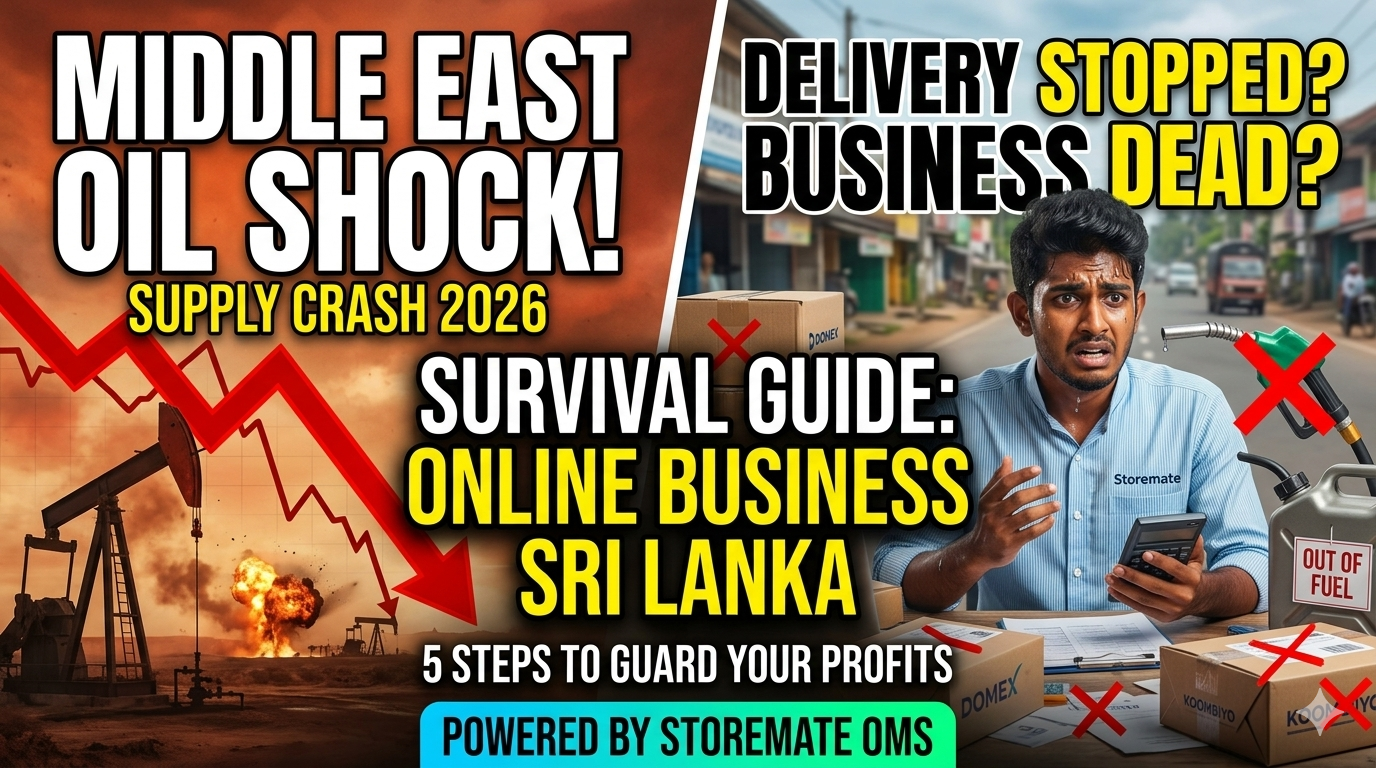
The global landscape has shifted overnight. As conflict escalates in the Middle East and the closure of the Strait of Hormuz disrupts 20% of the world’s oil supply, Sri Lanka finds itself at a familiar and difficult crossroads. While the nation was steadily rebuilding, this external shock has brought back QR-based fuel rationing and a mandatory four-day work week to conserve energy. For the growing community of online sellers, this isn’t just a logistical hurdle—it is a critical test of business resilience.
The Return of the QR System and the 4-Day Week
The government’s decision to implement a four-day work week (with Wednesdays as a public holiday) and limit motorists to 15 litres of fuel per week is a direct response to rising global crude prices, now surging past $120 a barrel.
For an online business, every liter of petrol is now a precious resource. You can no longer afford unnecessary trips to courier hubs or multiple runs to the post office. In an era where movement must be calculated, every delivery must be “guaranteed” to protect your bottom line.
The Logistics Bottleneck: Protecting Your Margins
Our local courier partners, including Domex, Koombiyo, and Transexpress, are facing their own challenges. Higher fuel costs mean higher surcharges, and limited quotas mean delivery vans are running fewer routes.
In this environment, a Return-to-Origin (RTO) isn’t just a missed sale it’s a financial disaster for online sellers. If a courier burns limited fuel to deliver a “fake” or “duplicate” order that gets rejected, that is money and energy wasted that your online business cannot recover. Furthermore, with inflation creeping back up, keeping your Cash on Delivery (COD) payments moving quickly is the only way to ensure you have the liquidity to restock.
The Rise of “Hyper-Local” Fulfillment Hubs
As the 15-liter fuel limit makes long-distance travel expensive, the “centralized warehouse” model is being challenged. Online sellers are now looking for ways to store stock closer to their highest-density customer zones to reduce the “last-mile” distance. Managing multiple small hubs requires a level of inventory precision that manual notebooks simply cannot handle.
Combating “Buyer’s Anxiety” with Professionalism
During an energy crisis, consumers are more hesitant to spend. They fear that their package might get “lost” in the fuel queues or that the online business might go offline. This “Buyer’s Anxiety” leads to higher cancellation rates. Providing transparency through automated updates is the only way for online sellers to turn a “WhatsApp shop” into a trusted, reliable brand.
A Strategic Conclusion: The Lifeline of Automation
In a fuel-restricted economy where time and energy are your most limited assets, the difference between survival and closure for online sellers comes down to a single word: Infrastructure. The 2026 crisis is a filter that will reward those who transition from physical legwork to digital precision.
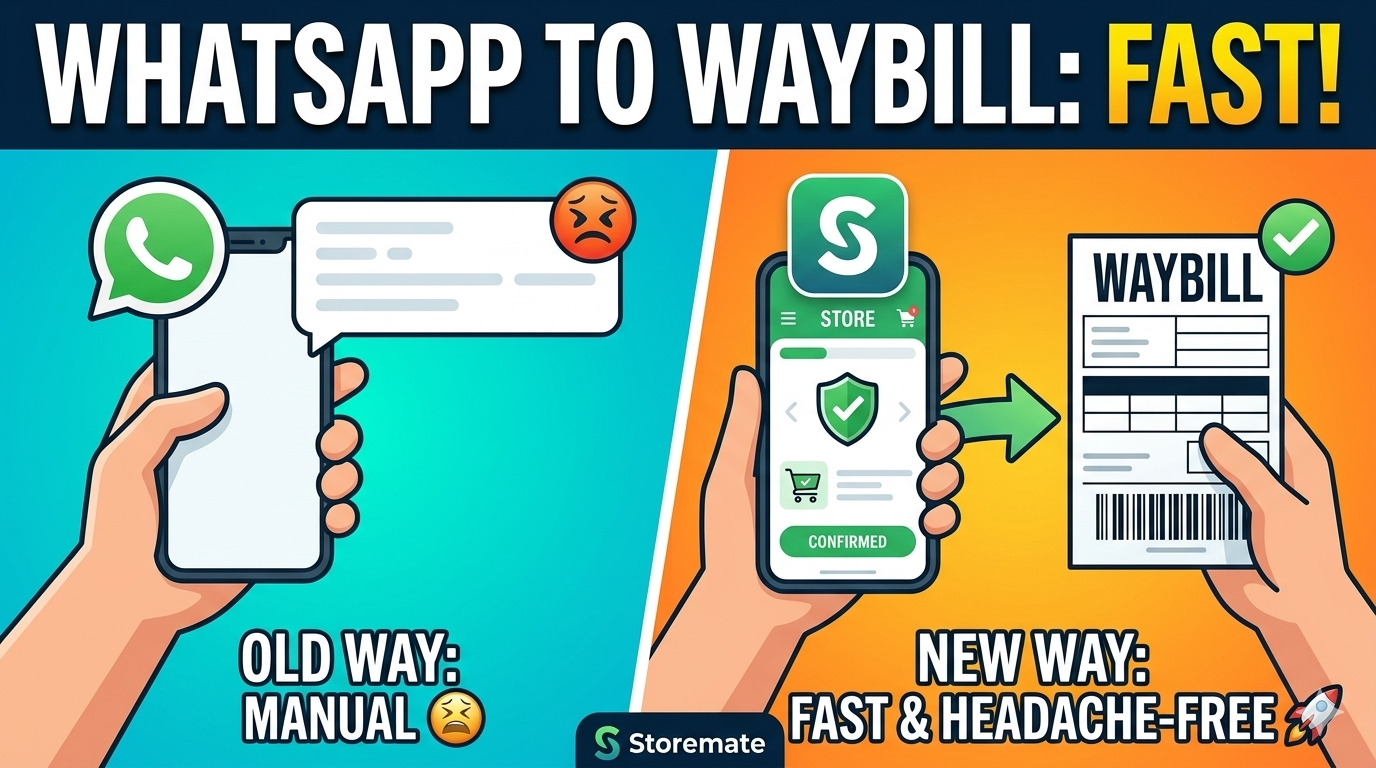
By integrating a specialized system like Storemate, you don’t just “manage” orders; you secure your future. It acts as a digital shield for your online business, using a shared intelligence network to flag fraudulent buyers and serial returners before you ever waste a drop of fuel on them. It condenses hours of manual waybill entry for Domex and Koombiyo into a few clicks, fitting a full week’s work into the new four-day reality. Most importantly, it bridges the trust gap with your customers through automated, professional tracking updates that turn “buyer’s anxiety” into long-term loyalty—all while keeping your operations lean, mean, and mobile-ready.
Navigating a global oil shock requires a rock-solid local operation. Before the 2026 peak season arrives, ensure your business is insulated against both local delivery delays and rising costs.
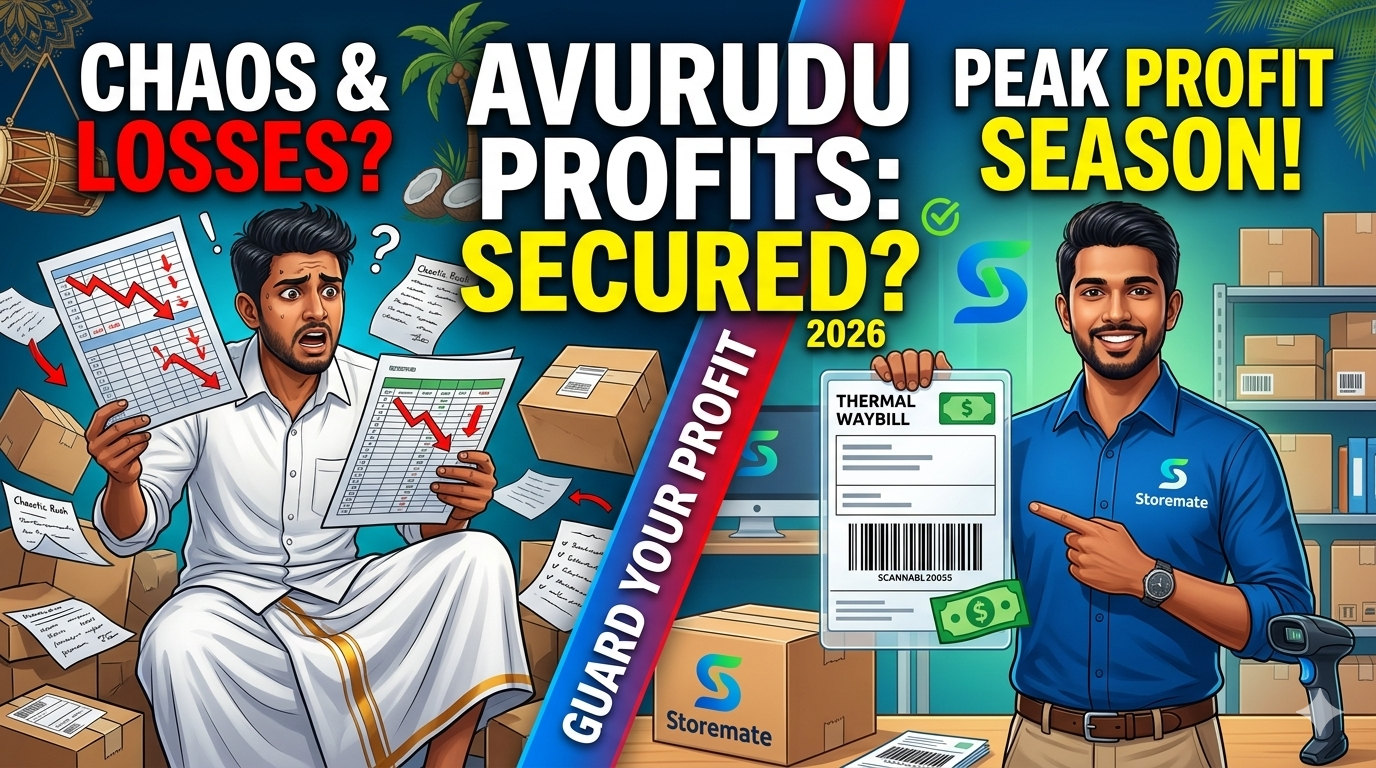
Read our full guide on How to Guard Your Avurudu Profits in the 2026 Peak Season to secure your fulfillment strategy now.
Ready to automate? > Join the most resilient online businesses in Sri Lanka by switching to Storemate OMS today. [Start Your Free Trial]
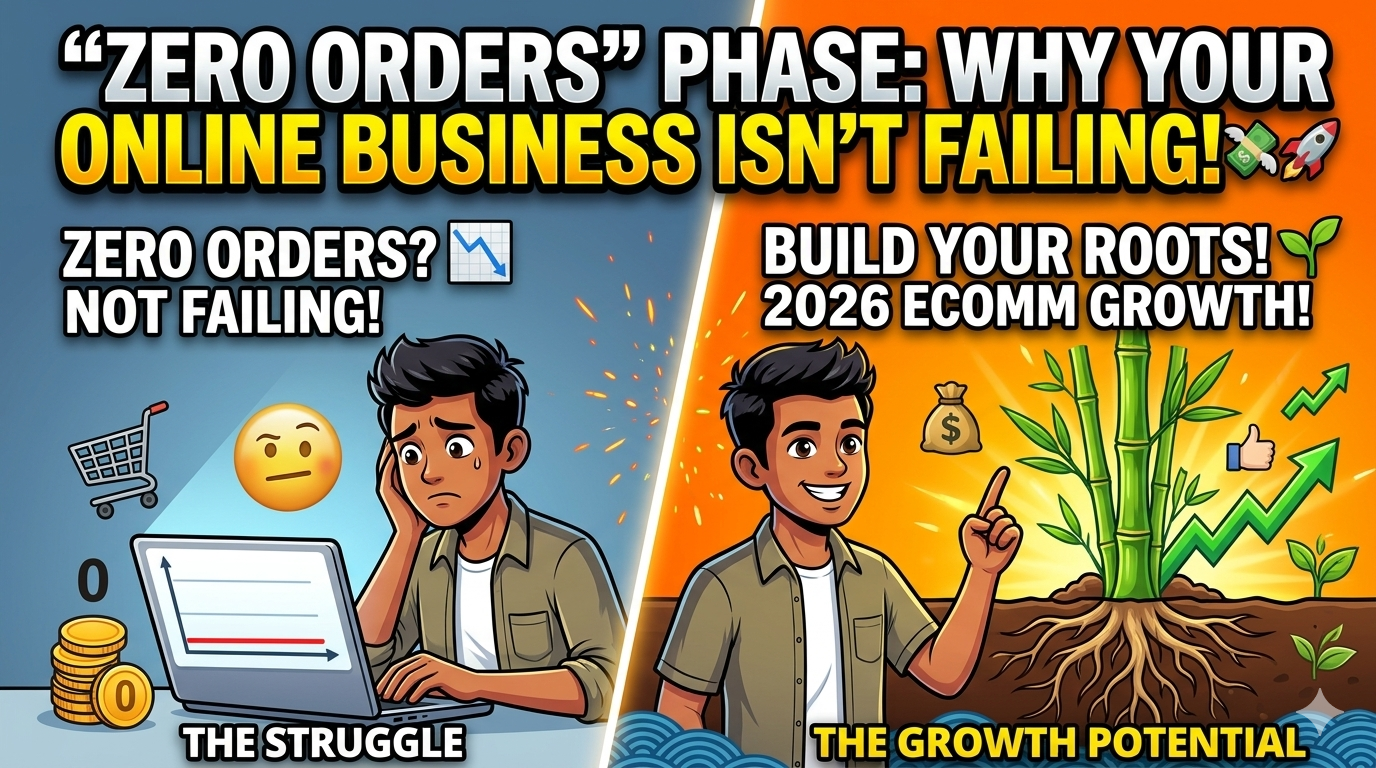
📺 P.S. Want to hear the full breakdown? We discussed the impact of global conflicts on local e-commerce in our latest podcast: Online Business වලට යුද්ධය බලපායිද? – Watch on YouTube

Leave a Reply